
Furro isn't pet insurance. It's a modern alternative that protects your dog or cat for, on average, half the cost.
2,500+ pets • member rating 4,8/5
Our mission is to fight the rising costs in the pet care industry
Caring for and insuring pets has become significantly more expensive in recent years, leaving many of our four-legged friends without protection.
Watch the Finnish video to see how Furro works in practice.
Our mission is to fight the rising costs in the pet care industry
Caring for and insuring pets has become significantly more expensive in recent years, leaving many of our four-legged friends without protection.
Watch the Finnish video to see how Furro works in practice.




Affordability isn't an offer. It's how Furro is built.
No insurance company in between
A traditional insurer collects premiums up front and spends around 30% on administration, distribution channels and profit. With Furro there is no insurance company in between, so most of members' payments go towards pets' treatment costs.
Clinic partnerships save 20%
The same treatment with the same outcome can cost €400 in one place and €1,400 in another. We recommend clinics that put care pathways in your pet's interest and fair pricing first – for the community that means roughly 20% saved each year.
Advanced fraud prevention protects the community
Fraud pushes prices up across the whole industry, and it is everyone else who ends up paying for it. That is why Furro is built with an advanced AI-powered fraud review layer that checks every case before it is shared with the community.
Operating costs and profit of traditional insurance
30%
50%
Actual treatment costs and membership fee
Clinic partnerships save
20%
Operating costs and profit of traditional insurance
30%
50%
Actual treatment costs and membership fee
Clinic partnerships
save 20%
What would Furro have cost for your pet?
Choose your pet's breed and age to see what your monthly share would have been with Furro over the last 6 months.
Join us (Finnish)What would Furro have cost for your pet?
Choose your pet's breed and age to see what your monthly share would have been with Furro over the last 6 months.
87% were reimbursed. We also explain why 13% were not.
A “yes” and a “no” cost the company behind Furro exactly the same. Reimbursements affect neither revenue nor company profit, so the only job of Furro’s technology platform is to be fair.
- Reimbursed in full or in part
- Not reimbursed 13%
Most of the cases that were not shared relate to injuries or illnesses that began before Furro, to dental care, or to routine vaccination visits.
Member ratings and open data
Members see every community treatment case and reimbursement in anonymised form.
The differences side by side – including the ones where insurance is stronger.
| FURRO | Pet insurance | |
|---|---|---|
| Price | Varies, roughly 50–60% cheaper | Fixed |
| Payment | Monthly, in arrears | Up front, 3–12 months |
| Payment ceiling | Personal price cap, known in advance | Fixed premium |
| Transparency | Public monthly reports | No visibility |
| Who carries the risk | The peer community – members together | The insurer, on its own balance sheet |
| Consumer protection | Community rules, not an insurance contract | Statutory liability to pay claims |
Want to compare Furro and pet insurance cover before you decide?
See the comparisonFurro helps when illness or an accident happens
Furro community cover includes a broad range of examinations and treatments under the Community Rules, much like traditional pet insurance.

Accidents
Examination and vet-prescribed treatment for a sudden accident, such as a wound, fracture or sprain, are included in Furro community cover. A medically justified emergency visit can also be covered when urgent care is needed.
Illnesses
Examination and treatment of an unexpected illness that began during membership are included in the community cover, subject to waiting periods and the Community Rules. The cover can include vet visits, examinations and necessary treatment that form part of the same course of care.
Procedures and surgery
Furro community cover includes procedures and surgery needed to treat an illness or accident. Anaesthesia, medication and monitoring that are essential to the treatment can be covered as part of the same course of care, subject to the Community Rules and the chosen cover level.
Prescription medicines and topical treatments
Vet-prescribed medicines are included in Furro community cover when they relate directly to an illness, accident or procedure covered by the plan. Medication given at the clinic during treatment is also covered as part of the course of care.
Exceptionally, Furro also covers topical treatment products such as shampoos, ointments and ear rinses, provided a vet has prescribed them in writing and the other conditions in the Community Rules are met.
Specialist care and follow-ups
Specialist veterinary care recommended by a vet, and follow-up visits belonging to the same course of care, are included in Furro community cover when they are medically justified. In an urgent situation, an emergency visit and its out-of-hours surcharges can also be covered when the case is acute.
Diagnostics and imaging
Finding the cause of symptoms or an injury may require blood and urine tests, X-rays, ultrasound, MRI or other diagnostics. An examination is included in Furro community cover when the vet considers it medically justified and it relates to a treatment situation covered by the plan. MRI and CT costs, including reporting fees, can be shared up to 800 euros per membership period as part of the pet's annual reimbursement cap.
RehabilitationFurro Plus
At the Furro Plus level, Furro community cover includes vet-prescribed rehabilitation when it is a medically justified part of treating and recovering from a covered sudden musculoskeletal illness or injury. Rehabilitation costs can be shared up to 400 euros per membership period as part of the pet's annual reimbursement cap.
Hidden and congenital defectsFurro Plus
At the Furro Plus level, Furro community cover includes hidden and congenital defects as set out in the Community Rules. Cover for hidden defects requires a clear puppy health check certificate, along with the other conditions concerning the pet and the treatment situation.
Retained baby teethFurro Plus
At the Furro Plus level, Furro community cover includes the removal of retained baby teeth when a vet finds the procedure necessary, the puppy joined Furro before 4 months of age and the other requirements of the Community Rules are met.
Musculoskeletal conditionsFurro Plus
At the Furro Plus level, Furro community cover includes the examination and treatment of musculoskeletal conditions under the Community Rules. Coverage is affected by factors such as when the symptoms began, any waiting periods and the terms of the cover granted to the pet.
Birth complicationsFurro Breeders
The Furro Breeders community cover level includes veterinary examination and medically necessary treatment arising from an unexpected birth complication, as well as conditions such as mastitis and uterine infections in the dam from mating through to handover.
Exact coverage depends on the pet, the chosen cover level and the Community Rules in force at the time.
A growing clinic network
Furro's direct-settlement clinics are ones we've verified for quality. We carefully select the clinics we recommend to our members, and the network grows every month!

A growing clinic network
Furro's direct-settlement clinics are ones we've verified for quality. We carefully select the clinics we recommend to our members, and the network grows every month!
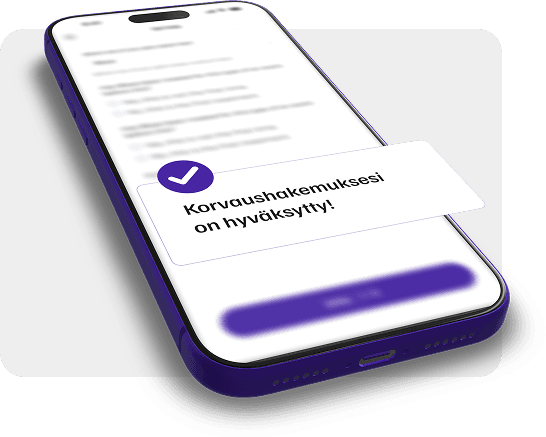
A fast direct-settlement model
AI brings speed to clinic visits too. Furro's model is built on collaboration between AI and clinics. At selected clinics you'll get an assessment of how your costs will be handled in just a couple of minutes, around the clock, and you only pay your own share at the time of the visit.
A fast direct-settlement model
AI brings speed to clinic visits too. Furro's model is built on collaboration between AI and clinics. At selected clinics you'll get an assessment of how your costs will be handled in just a couple of minutes, around the clock, and you only pay your own share at the time of the visit.
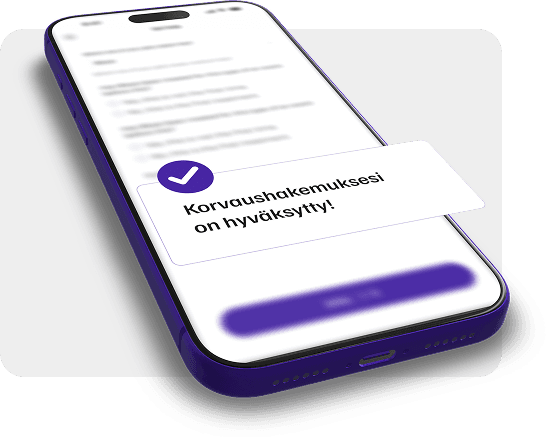

Furro Breeders – now for breeders
Furro Breeders is a community-based cover developed together with breeders to protect the dam and her puppies, covering pregnancy, handover, and the period after handover. You can join Furro Breeders without Furro's basic cover, and it also works alongside traditional pet insurance.
Furro Breeders – now for breeders
Furro Breeders is a community-based cover developed together with breeders to protect the dam and her puppies, covering pregnancy, handover, and the period after handover. You can join Furro Breeders without Furro's basic cover, and it also works alongside traditional pet insurance.
Designed by a community of pet owners
Furro is built together. Even before launch, a wide range of professionals were already on board: vets, breeders, trainers, and above all pet owners. We're all part of the change, and there are more of us every day.
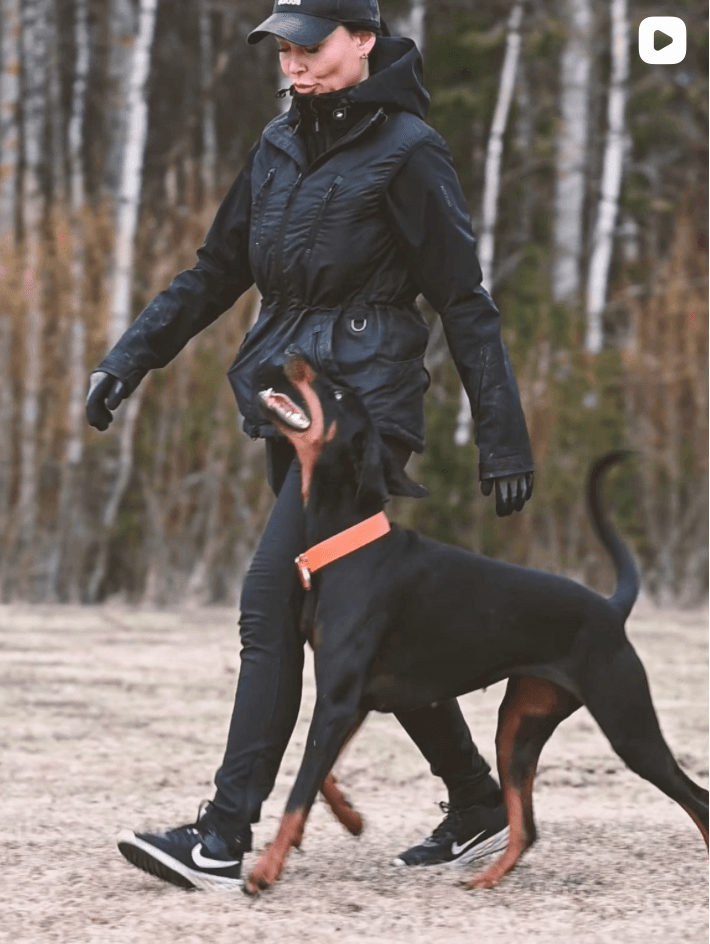
Jenni Saksio
Dog trainer

Stina Einola
Dog owner
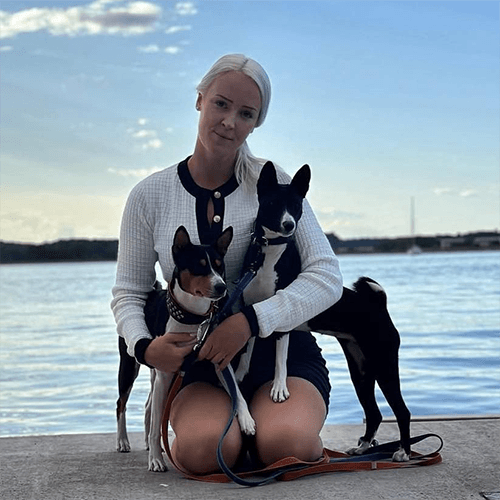
Emma Kallonen
Basenji breeder

Ville Halmetoja
Dog training instructor
Hilla Kortetjärvi
Rescue cat owner
Mima Jämsä
Veterinarian

Frequently asked questions
Furro isn't an insurance company or an insurance policy. Furro is a modern alternative to traditional dog and cat insurance. It's a Finnish community of pet owners that runs on a peer-to-peer cover model, where vet costs are shared together according to agreed rules. Furro is operated by the Finnish company FairShare Technologies Oy, which provides the technical platform and the rules, but the financial responsibility for treatment costs lies with the community's members among themselves. As a member, your monthly fee is determined by the actual, rules-based treatment costs that arise, and it can range between €6 and a personal price cap. As a general rule, over the long term Furro costs around half as much as traditional pet insurance. Furro's mission is to make caring for and protecting pets affordable, transparent and fair.
As a Furro member, you're entitled to request reimbursement for your pet's illnesses and accidents, as long as no specific exclusion or waiting period applies. In practice this means that when your pet falls ill or gets injured, a Furro direct-settlement clinic or an approved clinic treats your pet according to the clinic's own medical judgement, and the Furro community contributes to the treatment costs according to pre-agreed ground rules. Typically Furro covers, for example, vet appointments and emergency visits, examinations such as blood tests, X-rays and ultrasound, procedures and surgeries along with the related anaesthesia, hospital care and monitoring, medication, and the supplies and materials directly related to treatment. In addition, follow-up checks belonging to the same course of treatment can be shared within the community within the limits of the Community Rules. Coverage is affected by your chosen level of cover (Basic or Plus), the limitations defined in the Community Rules such as any waiting periods, age limits and per-treatment maximums, and whether the situation is an excluded one. Not all vet costs are eligible for sharing: the Community Rules separately describe the exclusions (for example certain preventive procedures, vaccinations, or illnesses that began before joining). What Furro does not cover Furro doesn't cover every vet cost. The exclusions are based on the peer community's shared rules, and their purpose is to keep the ground rules predictable and the sharing of costs fair for all members. Typical exclusions are preventive care and “healthy animal” visits, such as vaccinations, routine check-ups and deworming, as well as most ordinary dental care when it isn't clearly the treatment of an illness or accident. In addition, illnesses or ailments that began before membership are typically subject to limitations, and some structural problems or breed-specific risk factors may come with separate limitations in the Community Rules. Furro's cover also generally doesn't include non-medical incidental costs or support services, nor over-the-counter products or food, beyond very limited cases, if at all. Emergency surcharges may be limited in situations where the visit wasn't medically an emergency by the definition in the Community Rules. It's worth checking the precise terms and exclusions in the Community Rules before joining, or asking the site's AI bot about what's covered.
Furro suits dog and cat owners who want an alternative to traditional pet insurance and who value affordability, fairness and transparency. With Furro you don't pay a fixed insurance premium in advance; instead, you contribute to the peer community's actual, rules-based vet costs. Your monthly fee can range between six euros and the personal price cap defined for your pet, meaning your own maximum liability is capped. Furro is a natural fit for you if you accept the basic idea of the peer model: the financial responsibility for treatment costs is borne by the community, not an insurance company. In terms of a smooth experience, the biggest benefit is seen at direct-settlement clinics, where a reimbursement recommendation for sharing the costs is produced quickly as part of the clinic's normal process, so there's no separate back-and-forth over a reimbursement application. If, on the other hand, what you specifically want is an insurance contract with an insurance company, a fully predictable fixed price, or for the liability for reimbursements to always lie with the company, traditional pet insurance may suit you better.
Furro is for dog and cat owners who want to share vet costs in a peer community instead of taking out traditional insurance. Membership is open to any natural person who creates a user account and applies for membership, accepts Furro's Terms of Use, the membership agreement and the peer community's rules, adds at least one dog or cat to the service, and adds a payment card from which the monthly shares can be charged. The pet must meet the peer community's eligibility requirements. In practice these may mean, for example, age limits, waiting periods or other individual restrictions. When joining, the pet's state of health and previous illnesses must be reported truthfully, because they affect what the community can share at any given time under the rules. The exact terms are set out in the Community Rules, so that you know in advance the conditions under which you and your pet can join Furro.
If you're switching to Furro from an old pet insurance policy, time the change so that your old insurance is still in force through Furro's waiting periods. At Furro the waiting period is 10 days for accidents and 30 days for illnesses from the start of membership. For certain predefined groups of illnesses the waiting period is 120 days. This reduces the risk of a gap during which your pet has no cover at all. It's worth noting that illnesses that begin during the waiting period are generally not shared by the community, and they may later lead to limitations. That's why symptoms and ailments appearing during the waiting period should be treated and documented as normal, but be prepared for the fact that they aren't within Furro's scope. If an accident occurs or an illness or symptoms appear during the waiting period, the pet owner should reassess the overall picture of whether it's wise to keep the old insurance in force for now, or even stay with that insurer. That's why it's important to weigh the situation case by case: if the symptoms involve further examinations, courses of treatment or monitoring, keeping the old insurance in force can be a sensible way to ensure coverage and continuity of care. A short overlapping period between the old insurance and Furro helps reduce the risk of the pet or owner falling through the cracks when it comes to reimbursements, and it often also reduces surprises and disappointments. Waiting periods exist because they benefit the whole community by keeping the model fair for everyone.
When you need help, the primary and smoothest option is to go to a Furro direct-settlement clinic or an approved clinic. You'll find clinics near you in the Clinic search on the website or in Oma Furro. At direct-settlement clinics, the clinic submits the visit details to Furro, so the cost-sharing gets a Community Rules-based assessment as part of the normal treatment process. Typically you pay only your own share and any non-covered items at reception, and the portion eligible under the Community Rules is routed for sharing within the peer community. At an approved clinic, you pay for the visit yourself as normal and request a reimbursement afterwards. In exceptional situations, you can seek care at any clinic. In that case you pay for the treatment yourself first and request a reimbursement afterwards. Exceptional situations include: - There's no direct-settlement clinic or approved clinic within a 50 km radius - The direct-settlement clinic or approved clinic doesn't offer the required treatment - The direct-settlement clinic or approved clinic isn't open in an urgent situation - It's a life-threatening emergency for your pet In emergencies, your pet's health always comes first. If it's a life-threatening situation or sudden severe symptoms, primarily seek care at the nearest Furro direct-settlement clinic or approved clinic, or if none is available, the nearest emergency vet, even if it isn't a direct-settlement clinic or approved clinic. Once the situation is under control, you can submit the visit details to Furro afterwards so the case can be processed according to the Community Rules. If you otherwise need advice or support If you have questions about your own membership, pricing, reimbursements or the Community Rules, start by asking the site's chatbot. You can also always get in touch with Furro support at hei@furro.com. In short: in an acute situation you contact a vet first; for all other questions, the Furro chatbot or Furro support by email.
Peer-to-peer cover is a modern way to protect what you own, and it means a model in which people in a similar situation share costs with each other according to jointly agreed rules. Instead of a traditional insurance company, protection arises from community members contributing to one another's eligible costs as they come up. Around the world, peer-to-peer cover is growing strongly, and the same development is now under way in Europe too. The model has become especially common in everyday categories such as pets, electronics and vehicles, where speed and transparency stand out. In the peer-to-peer cover model, the funds collected from the community go, in full, towards covering costs, without the costs of middlemen or a traditional insurance company. In addition, as a community member you get to see what the money is used for, the costs are clearly itemised, and the model rewards fair conduct and prevention in a way that lets every community member come out ahead. At Furro this shows up in the fact that you don't pay a fixed insurance premium in advance; instead, your monthly fee is determined by how much rules-based vet cost has arisen in the community during that month. Your own maximum monthly liability is capped by the personal price cap defined for your pet, which is based on the pet's risk profile. When you visit a direct-settlement clinic, the clinic can check via Furro on a case-by-case basis whether the costs can be shared under the Community Rules. AI supports this interpretation by giving a reimbursement recommendation, and you usually pay only the deductible at the visit. The rest, i.e. the portion eligible for sharing under the rules, is allocated to the community, and the monthly shares are charged on the first day of the following month via the payment processor. While Furro provides protection for your pet similar to traditional insurance, it's good to note that Furro isn't an insurance company or a traditional insurance policy. Furro is a technology platform and operating model that enables cost-sharing within the community, and the financial responsibility for the costs to be shared lies with the peer community within the limits of the Community Rules.
Furro is a peer-to-peer way of covering the treatment costs of your pet's illnesses and accidents. Furro and traditional pet insurance solve the same problem, namely the unpredictability of vet costs, but they do it differently. Furro isn't an insurance policy issued by an insurance company; it's a peer community of pet owners in which costs are shared according to the community's rules. The model In peer-to-peer cover, all the funds collected from the community go, in full, towards the treatment costs of community members, which makes the pet owner's monthly fees significantly more affordable. In addition, avoiding unnecessary examinations and treatments that aren't in the pet's interest lowers the prices of the whole community's peer-to-peer cover. In this way, every fair choice made by each member and vet collectively affects everyone's fees and thus encourages all parties to act fairly and correctly. Who bears the risk In traditional insurance, the insurance company is liable for reimbursements when the terms are met. At Furro, the financial responsibility is borne by the peer community, i.e. the members among themselves. FairShare Technologies Oy, which operates behind Furro, provides the technology platform and the process, but doesn't act as an insurance company and doesn't pay treatment costs from its own balance sheet. How the price is set With insurance you usually pay an agreed premium in advance. At Furro you don't pay a fixed premium in advance; instead, each month you contribute to the community's actual, rules-based treatment costs. Your monthly share can range between €6 and the personal price cap defined for your pet. How things work at the vet clinic In the traditional model, reimbursements are often requested afterwards and processing can take time. At Furro the benefit is seen especially at direct-settlement clinics: the clinic checks via Furro whether the costs can be shared and AI gives a recommendation based on the Community Rules, so you pay only the deductible at the visit and the rest is brought to the community for sharing. If you go somewhere other than a direct-settlement clinic, you pay for the treatment yourself first and submit the patient records for assessment afterwards. Transparency A significant difference from traditional pet insurance is that community members get to see clearly what the fees cover and on what ground rules the community operates. The peer-to-peer cover model will give community members a clear view of where pet owners' monthly payments go. Consumer protection and contracts Because Furro isn't insurance, it doesn't involve the same statutory structures and liability for reimbursement as the insurance-company model. At Furro, rights and obligations are determined by the Terms of Use, the membership agreement and the Community Rules, which are worth reviewing with regard to limitations and what's covered. In the Furro model, members don't have traditional consumer protection available to them.
Furro's monthly price isn't a fixed insurance premium; it's determined by how much rules-based, shareable vet cost arises in the peer community during that month. To make the cost predictable, each pet is assigned a personal price cap when joining, i.e. the most you can be charged in a month towards the community's eligible treatment costs. The price cap is based on the pet's risk profile, which takes into account, for example, species (dog or cat), breed, age and the owner's area of residence. You'll see your own price cap and the related range in advance during the joining stage. It's good to distinguish two things: a deductible of €50 + 25% is always paid for your own pet's clinic visit under the Community Rules, and on top of that you're charged a monthly share at the end of the month, which is your share of the community's other shareable costs. The monthly share always stays between €6 and your own price cap. For example, if your traditional pet insurance costs €50/mo, your expected price at Furro is around half that. The range in such a situation could be roughly €6–40. These calculations are indicative. We recommend calculating the prices for your own pet in our calculator and comparing them with your current traditional insurance. In summary: you know your own maximum price in advance, but each month you pay only according to what actually happens in the community, never more than your price cap. The most accurate estimates for your specific pet come from Furro's calculator and the Community Rules.
When you see your price in the form of a range like €6–37/mo, it means that Furro's monthly share for that pet can range between €6 and €37, your personal price cap. The “real price” always becomes clear only at the end of the month, because the fee is based on actual vet costs that comply with the community's rules, which are shared among the members. At Furro, no fixed insurance premium is collected in advance; instead, the member contributes afterwards to other members' eligible treatment costs. In a quiet month there may be little or nothing for the community to share, in which case the monthly share can be €6. In another month there may be more costs, in which case the monthly share can rise, but never above your own price cap. The price cap is defined when joining based on the pet's risk profile, which takes into account, for example, species, breed, age and area of residence. So in practice, €6–37/mo isn't an “estimated average price”; it's the range within which your monthly share moves. At the end of the month the payment processor charges that month's final monthly share to your card, and you get a summary of what the fee was based on. In addition, in the price calculator you also always see a price estimate, which is an estimate of how much you'll pay on average per month over the long term. We've introduced the price estimate to make it easier to grasp the overall picture and to let you assess Furro's costs over a longer horizon too, even though individual monthly fees vary according to actual treatment costs.
The monthly price cap is a personal maximum amount in euros defined for your pet, which is the most you can contribute in a month to the peer community's shareable vet costs. So it acts as your price cap at Furro. Here's how it works in practice: - The price cap is defined when joining based on the pet's risk profile, and it takes into account, for example, the species (dog or cat), breed, age and the owner's area of residence. The price cap can rise across the board in the community if the general price level and vet costs rise, as well as for a given pet as the pet gets older. - The monthly share charged to you at the end of the month can be between €6 and the price cap, depending on how much shareable cost has arisen in the community under the rules during that month. - You never pay more than your own price cap in a month, even if there are exceptionally high costs.
No. At Furro there isn't a single fixed monthly price for all pets; instead, each pet is assigned its own pet-specific monthly price cap when joining, based on its risk profile. The risk profile takes into account, for example, the pet's species (dog or cat), breed, age and the owner's area of residence, so the price cap can be different for different pets. The monthly charge is then determined by how much shareable vet cost arises in the community under the rules during that month. That's why, even in the same month, the charge for owners of different pets can differ, but no one pays more than their own price cap. The aim of collecting fees in different proportions from different pets is, above all, fairness: each contributes to the shared costs according to the risk level defined for their own pet.
At Furro, the sharing of costs is based on pre-agreed Community Rules, consistent processing and a transparent model. The community's funds aren't used for Furro's own business; they go, in full, towards pets' treatment costs. The AI model and clinic cooperation support cases being assessed as fairly, consistently and quickly as possible in accordance with the Community Rules. Furro's cost-sharing model is designed so that the community's funds are estimated to be sufficient to cover treatment costs with over 99.8% probability in any single month. This is supported by a buffer model based on the price caps: the community typically uses around a third of its maximum collection capacity, and the rest serves as a buffer for exceptional months. In addition, the community's growth improves predictability and reduces the impact of individual large treatment costs on the whole.
No. At Furro there are no separate “multi-pet discounts”, because pricing isn't based on a list price from which volume discounts would be given; it's based on actual treatment costs that comply with the Community Rules. In practice, for an owner of multiple dogs the total simply builds up pet by pet, and the aim is to keep the sharing of costs fair: each pet contributes to the shared costs in its own right, and prices aren't “subsidised” with volume discounts. Furro is already very affordable compared with traditional pet insurance.
The deductible is the part of your own pet's treatment costs that you always pay yourself per visit, in accordance with the Community Rules. Its purpose is to keep the model fair and to encourage seeking sensible treatment. In practice, the deductible at a direct-settlement clinic works like this: when your pet receives treatment, the clinic checks via Furro whether the case's costs can be shared based on the Community Rules. After that, you pay only the deductible at the appointment, and the portion exceeding the deductible is passed on to be shared within the community, if the case is shareable under the rules. Example: a clinic visit of €1,200 At Furro the deductible works on a model of €50 + 25% of the remainder. This means you first pay €50 for the clinic visit, and then 25% of the portion that's left. Deductible calculation: €50 + (€1,200 − €50) × 25% = €337.50 In this example, where the eligible total costs are €1,200, you pay €337.50 at the clinic, and €862.50 is the portion that can be covered by Furro's peer community in accordance with the Community Rules.
The technology company operating behind Furro is FairShare Technologies Oy. Its most important role is to develop and maintain the Furro platform, take care of data protection, build the clinic integrations, and ensure that the service works smoothly in the everyday lives of Furro members. The money collected from the peer community's members goes, in accordance with the Community Rules, towards covering treatment costs, and members' funds are not FairShare's funds and don't end up in FairShare's accounts. FairShare provides the technology platform, but doesn't bear the financial responsibility for the peer community's treatment costs. FairShare earns its own margin from separate service, technology and any other applicable fees relating to the use, maintenance and development of the Furro service. These fees may be charged according to the fee structure in force at the time, for example from members, clinics, partners or for additional services. Such fees relate in practice to maintaining the platform, ongoing development work and operating the service. In the early stages, development work may also be done with external funding, in which case the technology company doesn't have to fund its operations entirely through fees charged for the service. As the fee structure develops, the basic principle stays the same: the peer community's treatment costs and FairShare's own earnings are kept separate, and any fees are disclosed openly in advance.
Furro broadly covers vet costs that relate to the treatment of a pet's illness or accident and that are covered under the Community Rules. The aim is that in ordinary everyday treatment situations the cover feels clear and comprehensive, and you're not left on your own even with large, unexpected bills. In practice, the costs covered can typically include, for example, appointments and emergency care, examinations and diagnostics (such as laboratory tests, X-rays and ultrasound), procedures and other treatments, and the medications and other direct treatment costs related to care. Your vet always decides on the treatment itself, on medical grounds; Furro only assesses how the costs are shared under the agreed rules. Because Furro is based on jointly agreed Community Rules, the final cost-sharing is always determined by them. That's why it's worth checking the precise limitations and any conditions in the Community Rules, such as waiting periods, age limits or pet-specific restrictions.
The peer community shares only those vet costs that can be shared under the Community Rules and that meet the criteria of the Community Rules. The Community Rules define in detail what costs can be shared and with what restrictions, such as exclusions, waiting periods, age limits and maximum reimbursement amounts. Here, though, is an example list of costs Furro doesn't cover: - Preventive and routine treatments, such as vaccinations, deworming and other visits relating to maintaining basic health, when there's no underlying illness or accident. - Costs relating to wellbeing and “care”, such as nail clipping and baths, unless they've been prescribed as part of treating an illness or injury. - Cosmetic procedures and other services that aren't medically justified. - Food, special diets, supplements and care products, unless the Community Rules have separately decided to share certain products comparable to medication. - Travel and transport costs, accommodation, cancellation fees and other practical costs that aren't actual veterinary treatment. - Damages caused to third parties (compensation) or the owner's own losses. - Costs relating to limitations or exclusions, such as cases that arose during the waiting period. - Cases in which the information is incomplete or contradictory, or where fraud is suspected – in these cases the claim can be declined in accordance with the Community Rules.
At Furro direct-settlement clinics, the treatment details are sent straight to Furro, and an AI-assisted reimbursement recommendation can typically be given within minutes while you're at the clinic. Based on the recommendation, the case can be processed smoothly during the visit, so you usually pay only the deductible and the portion exceeding the deductible is recorded to be shared by the community later in accordance with the Community Rules. If a reimbursement is requested afterwards (for example when the visit wasn't in the direct-settlement model), you pay the costs yourself first and submit the necessary documents to Furro for processing. In these cases the reimbursement is settled at the end of the month, because at Furro the community's costs are gathered and the monthly shares are charged to members once a month, and the payment processor handles settlements on the same cycle. Our goal is that, over the long term, as many clinics as possible operate on the direct-settlement model, so that as many cases as possible are handled for you right at the visit. Furro also actively looks for ways to speed up after-the-fact settlements whenever it's possible in terms of the process and payment flows.
No. Furro Basic and Furro Plus don't cover C-sections, birth complications or other costs relating to pregnancy/nursing. Furro Breeders is a separate add-on module intended for breeders, in which an unplanned, medically indicated C-section, as well as other costs arising from birth complications, can be shared in accordance with the Community Rules.
Peer-to-peer cover takes effect once your pet has been accepted into the Furro community and your membership is fully set up. In practice this means you've joined the service, accepted the necessary terms, added your pet to Furro, and added a payment card from which the monthly shares can be charged. Only after this can your pet's treatment costs begin to be processed in accordance with the community's rules. Furro has waiting periods that begin from when your pet is accepted. For accidents the waiting period is 10 days and for illnesses 30 days. In addition, for certain predefined groups of illnesses the waiting period is 120 days. Treatment costs arising during the waiting period are not processed for sharing by the community, even if the membership is otherwise active. The purpose of the waiting periods is to ensure fairness for the whole community and to prevent a situation where someone joins the service only because of an ailment that has already begun. Note one more practical requirement for processing costs: before you can request that the community share costs, the pet's microchip number must be saved in the system before the incident occurs. The chip makes it easier to reliably identify the pet at the clinic and ensures that the treatment event is matched to the correct pet and membership.
Waiting periods protect the fairness of Furro's peer community and the core idea that costs are shared together when an accident or illness happens during membership. This makes the model more predictable for everyone and helps keep the cost level low. The most important function of waiting periods is to reduce opportunities for misuse. Without a waiting period, someone could join the service only at the point when their pet already has symptoms, examinations are about to start or treatment is already planned, and immediately pass the costs straight to the community. Similarly, there could be a temptation to join only “when needed” and leave right after a big cost. Such selective joining would raise other members' fees and weaken the resilience of the whole community. Waiting periods also protect honest members from disappointment. When the rules are clear, you know in advance when the cover actually starts to work in practice and what kinds of situations can't be shared if they begin during the waiting period. This reduces unclear borderline cases and helps ensure that decisions can be made fairly and quickly on the basis of the Community Rules. Waiting periods are a safety mechanism for the whole community. They reduce the risk of fraud and “last-minute joining”, smooth out the variation in costs, and keep the service fair for those who are in it for the long haul. If you're switching from traditional insurance to Furro, a good practical tip is to time the end of your old insurance so that it's still in force throughout Furro's waiting periods, so you don't fall through the cracks during the transition.
If your pet has an accident or falls ill, the most important thing is to seek treatment as normal according to the vet's judgement. The smoothest option is to book an appointment at a Furro direct-settlement clinic, because then the treatment details can be relayed to Furro directly and the cost-sharing most often works right at the visit. As a second option, go to an approved clinic, and only if neither of these is available, somewhere else. At a direct-settlement clinic, you mention that you're a Furro member. After that, the clinic treats your pet on medical grounds and sends the treatment event details to the Furro platform. The pet is identified primarily by its microchip, and the clinic confirms via Furro that the membership and the pet's details are valid. Furro gives an AI recommendation based on the Community Rules typically within minutes, and based on it the case can be processed smoothly right at the clinic. You usually pay only the deductible at the visit, and the rules-based portion exceeding the deductible is recorded to be shared by the community later in accordance with the Community Rules. If the situation is acute and life-threatening, go to the nearest emergency clinic. In that case you often pay the costs yourself first, and you can later submit the treatment record and invoice to Furro for retroactive processing within the limits allowed by the Community Rules. Also make sure your pet's microchip number is added to Furro and that it appears in the patient record, so that processing goes as quickly as possible.
Primarily it's worth going to a Furro direct-settlement clinic. You'll find an up-to-date list in Oma Furro and in the clinic search on the website. Visiting a direct-settlement clinic is usually the smoothest for you, because the clinic can relay the treatment details to Furro and get an AI-assisted reimbursement recommendation quickly. In that case you typically pay only the deductible at the visit, and the portion exceeding the deductible is passed on to be shared by the community under the Community Rules. You can go to an approved clinic, but in that case you pay for the entire treatment yourself first and request a reimbursement afterwards. You can also visit a clinic other than a Furro direct-settlement clinic or an approved clinic if neither is reasonably available, or neither can provide the treatment your pet needs. For example: the nearest such clinic is more than 50 km away; it doesn't offer the specialist treatment or diagnostics needed; the clinics are closed and it's an emergency; or the situation is urgent or life-threatening and treatment must be sought without delay from the nearest clinic that can help. In an emergency, the most important rule is always treatment first. If the situation is urgent or life-threatening, in an exceptional situation you can go to the nearest clinic that can treat your pet. If you visit a clinic other than a direct-settlement clinic or an approved clinic, you pay for the visit yourself first and submit the case for processing afterwards via Furro in accordance with the Community Rules. Remember to keep the itemised invoice and the treatment record.
At Furro the primary approach is for you to go to a Furro direct-settlement clinic or an approved clinic. The exception is when a direct-settlement clinic or an approved clinic isn't reasonably available or can't provide the required treatment. Typical situations include, for example: the nearest direct-settlement clinic or approved clinic is too far away; the clinic doesn't offer the required specialist treatment; the clinics are closed and it's an emergency or urgent situation; or the pet is temporarily in an area where there's no direct-settlement clinic or approved clinic. In an emergency, the most important rule is always treatment first. If the situation is urgent or life-threatening, you can go to the nearest clinic that can treat your pet. If you visit a clinic other than a direct-settlement clinic or an approved clinic, you pay for the visit yourself first and, to process the costs, submit the itemised invoice and treatment record to Furro. The case is processed on the basis of the Community Rules.
You can use the clinic search on the website. The clinic views are kept up to date so that you can always see which clinics operate as direct-settlement clinics and as approved clinics.
At Furro, direct settlement means that the case is assessed and the cost-sharing starts right at the clinic, so you usually don't have to make a separate reimbursement request afterwards. This works especially at Furro's direct-settlement clinics, which run Furro's process and data flow. In practice it goes like this: when you arrive at the clinic, you say you're a Furro member and your pet is identified by its microchip. The clinic treats your pet according to the vet's clinical judgement and records the treatment details and a cost breakdown. The details are sent to Furro, where the AI reimbursement recommender assesses the case from the perspective of the Community Rules and returns a recommendation on which parts of the costs can be shared among the peer community under the Community Rules. Based on this, the case can be processed smoothly right at the clinic, and you're told which portion remains as the deductible and which part is recorded to be shared by the community later. You typically pay only the deductible to the clinic at the visit. The portion exceeding the deductible is recorded to be shared by the community, and the payment processor settles the community's shares to the clinics as a batch once a month. If you visit a clinic that isn't a Furro direct-settlement clinic, you pay the costs yourself first and request that the case be processed afterwards at Furro in accordance with the Community Rules.
Not all pets are automatically accepted. Furro is a service aimed at dogs and cats. The pet must meet the peer community's eligibility requirements, which may relate to, for example, age limits, waiting periods and other restrictions. When joining, a risk profile is formed for the pet (for example species, breed, age and area of residence), on the basis of which a personal price cap is determined. A pet that's already ill can often join Furro too, but the Community Rules may contain restrictions relating to existing or previous illnesses, waiting periods or maximum amounts. That's why, when joining, the pet's state of health and previous illnesses must be reported truthfully, so that membership and the sharing of costs can be done justly, fairly and according to the rules. If a pet doesn't meet the community's requirements, there can be situations where the pet can't be accepted into the community. Such a situation may come up, for example, when, because of extensive limitations, covering the pet through Furro wouldn't be in the owner's or the pet's interest.
When you join Furro and later visit a vet clinic, you always give accurate and current information about your pet's state of health. You report previous illnesses, diagnoses, recurring ailments, medications and treatments, as well as current symptoms and observations, even if you haven't yet been to the vet. The better the background and symptoms are known, the more smoothly the case can be processed in accordance with the Community Rules and the more certain you can be of getting the right outcome for your situation. If it later turns out that not all known health information or symptoms were reported, it can affect processing retroactively too. In practice it can lead to the case being rejected, coverage being limited, or restrictions being placed on the pet on the basis of the Community Rules. Honest and careful reporting is always in the interest of the whole community and the individual member, because it reduces surprises and disappointments when help is genuinely needed.
Yes. The pet must have a microchip so that it can be reliably identified and the details of the treatment visit are matched with certainty to the correct pet. The microchip also makes processing costs smoother and reduces the risk of misuse. Add the microchip number to Oma Furro before you request reimbursements. If your pet doesn't yet have a microchip, ask your vet to chip it and add the chip number to Furro as soon as it's done.
If your dog is a mixed breed, you can still join Furro just like anyone else. When joining, you add your dog's basic details and select mixed-breed as the breed. If the service asks for clarification, you report your dog's main breeds as best you can. The most important thing is that the information is as truthful as possible, because Furro's personal price cap is determined based on the pet's risk profile, which takes into account, among other things, breed, age and area of residence.
Yes, in principle a rescue dog and a breeding dog can also be added to Furro, if the dog meets the peer community's eligibility requirements. At Furro, the decisive factor isn't the dog's background or intended use, but that it's the member's own dog and that membership is set up on the basis of the Community Rules and the dog's risk profile (e.g. age, breed, area of residence). For rescue dogs, the most important thing is that you report the dog's state of health and previous information as comprehensively as you can. If the background information is incomplete, it usually doesn't prevent joining, but it can affect what kinds of limitations are placed on the pet. For a breeding dog, membership is possible on the same principles, if the dog meets the peer community's eligibility requirements. It's good to note, however, that Furro Basic and Furro Plus are intended primarily for sharing vet costs based on illness and accidents, and they don't share the costs of C-sections, birth complications or other costs relating to pregnancy and nursing. For these situations, Furro has a separate Furro Breeders add-on module intended for breeders, in which an unplanned, medically indicated C-section, as well as other costs arising from birth complications, can be shared in accordance with the Community Rules. The precise terms and limitations are always found in the Community Rules in force.
At Furro, fairness is built above all on clear Community Rules, transparent decision-making and capped member risk. Every member commits to the same Community Rules, and the sharing of treatment costs is done on that basis, not with case-by-case “gut decisions” or in a way where Furro would try to “wriggle out of liability for reimbursement”. When the rules are agreed in advance and visible to everyone, expectations are also the same for all. Fairness is also ensured by the fact that a member's financial responsibility is capped at a personal price cap. The rules-based costs arising during the month are shared among members by an algorithm, but in a way that no one's fee can exceed their own price cap. This reduces the risk of individual large cost spikes falling unreasonably onto the shoulders of a single member. Decision-making has several “safety layers” so that the outcome is as fair as possible. AI gives a rules-based reimbursement recommendation and the direct-settlement clinic makes a preliminary decision based on the clinical assessment and recommendation. If a case is open to interpretation or a member feels the resolution is unfair, you can ask for the decision to be re-evaluated and, if necessary, put to a vote. Transparency is an essential part of the model when it comes to fairness. Every decision leaves a trail (for example the AI's recommendation, the preliminary decision and any separate resolution), and a member has the right to receive understandable justifications and to request additional information and a correction if the information is incomplete or the interpretation seems wrong. Fairness is also protected against misuse. If there's a justified suspicion of fraud or materially incorrect information, the processing of the case can be frozen, the reimbursement recommendation rejected, and the membership ended if necessary in accordance with the community's rules. This protects honest members and keeps the model working over the long term.
You edit your pet's details in Oma Furro, where you can update, for example, the name, photos and other everyday basic details directly yourself. Some details are locked, however, because they affect the pet's risk profile and thereby, for example, the price cap and processing under the community's rules. These typically include date of birth and breed. If any of these details are wrong or need correcting, get in touch with Furro's customer service team by email at hei@furro.com, and in your message state the pet's details and which item you want to change.
No. A membership application means you've applied to join the Furro community, but you haven't yet “taken out peer-to-peer cover”. Membership only becomes active once the application has been approved and you finalise joining in the service. In practice this means you add a payment card (from which the monthly shares are charged) and confirm that the details required for membership are in order.
You can cancel Furro for your pet at any time in two ways: either in the Oma Furro service or by contacting customer service by email at hei@furro.com. In the event of cancellation, Furro remains in force until the end of the current calendar month. So if you cancel Furro on, for example, 16 March, Furro remains in force for you until 31 March.
The Furro platform is developed and maintained by the Finnish technology company FairShare Technologies Oy. In practice, FairShare is responsible for the entire Furro platform's functionality and ongoing development, such as the app and Oma Furro, data security, vet clinic integrations, and ensuring that treatment details and the AI-assisted reimbursement recommendation move smoothly between the parties. FairShare also supports direct-settlement clinics and members in using the service. It's good to note that FairShare isn't an insurance company and doesn't bear liability for reimbursing treatment costs. At Furro, the financial responsibility for treatment costs lies with the peer community, and the funds collected from members don't go to FairShare's accounts.
See your pet's price in two minutes.
No commitment — cancel whenever you like.
Calculate your price (Finnish)